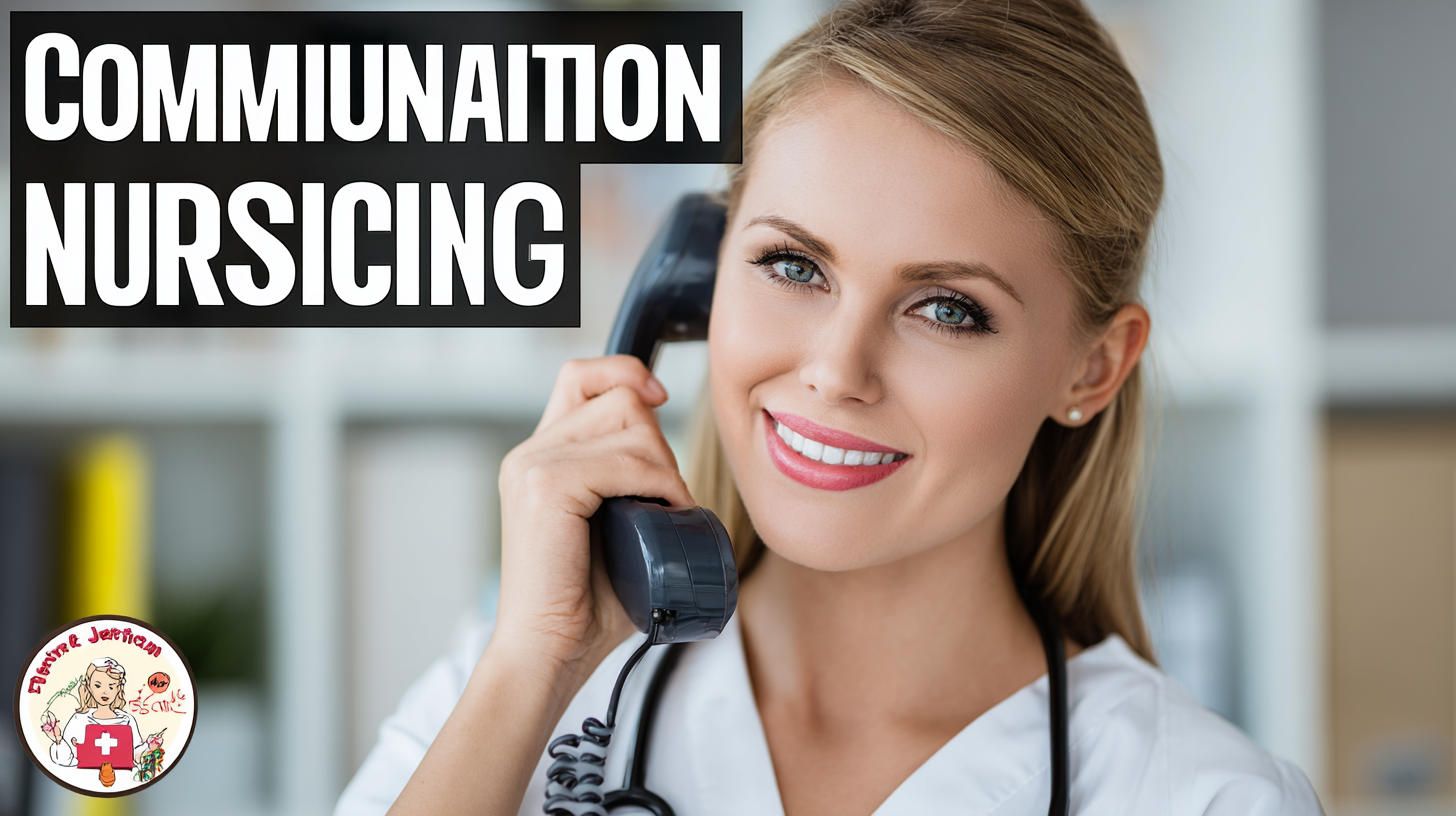
Hey there! You know, working in healthcare can be super fast-paced and pretty demanding, right? That’s why having solid communication skills in nursing is absolutely vital. I mean, nurses are often the go-to people for patients and their families, and being great at communicating can really make a world of difference in health outcomes. So, in this blog post, we’re going to chat about five essential tips to ramp up communication practices in nursing. Plus, we’ll look at how some cool new tech can help out with all this.
One standout player in the tech scene is DNAKE (XIAMEN) IOT TECHNOLOGY CO., LTD.They’re all about top-notch Intercom Solutions that really boost connectivity in healthcare settings. When nurses use these strategies, they can work better with their colleagues, give clearer instructions to patients, and, overall, help make the healthcare system more efficient. So, let’s dive into these tips and see how they can help nursing pros thrive in their important roles!
Effective Communication Techniques for Nursing Professionals in Diverse Settings
You know, effective communication is absolutely crucial for nurses, especially considering the wide range of environments they work in. A report from the Joint Commission highlights that communication errors are actually one of the top causes of medical mistakes—can you believe it? These errors contribute to nearly 70%of those serious events we hear about. Nurses often find themselves talking to patients who come from all sorts of backgrounds—cultural, linguistic, and socio-economic differences abound! So, getting a handle on communication techniques can really make a difference in Patient Care and outcomes.
One super important technique is active listening. It’s a big deal because it helps build trust and rapport with patients. Some research published in the Journal of Nursing Care Quality shows that when nurses really focus on active listening, patients tend to open up more and share crucial health info, which can lead to better diagnoses and treatment plans. Plus, using visual aids and simplifying the language we use can really help communicate with patients who might not have a strong grasp of health concepts. One study found that these techniques boosted patient understanding by as much as 40%! That really drives home how essential it is for nurses to adapt their communication styles to fit the diverse needs of the people they’re caring for.
Understanding the Essential Role of Interpersonal Skills in Patient Care
You know, effective communication is absolutely key when it comes to providing top-notch patient care in nursing. Having solid interpersonal skills really makes a difference, allowing nurses to connect with patients on a much deeper level. When nurses truly listen and respond with empathy, they create a safe space for patients. This way, patients feel comfortable sharing their needs and concerns. It’s not just about making patients feel better; it also helps in getting more accurate assessments and diagnoses, which means better health outcomes in the end.
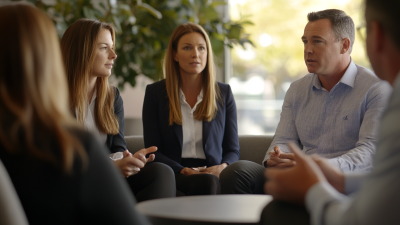
And let’s not forget, those strong interpersonal skills are also super important for teamwork in healthcare. When nurses and colleagues communicate clearly, it ensures everyone’s on the same page with patient care plans. This kind of vibe encourages a culture of support and understanding, where sharing ideas and providing feedback comes naturally. So, by prioritizing good communication, nurses can really push for positive changes in the care environment, which benefits everyone—patients and healthcare providers alike!
Leveraging Technology to Enhance Communication Between Nurses and Patients
You know, in today’s healthcare world, the way nurses communicate with patients really matters—especially with all this new technology we're using. Take dental care, for example. By using cool stuff like digital scanning tools, nurses can really step up their game. They can give real-time feedback and make everything run a bit smoother. This shift not only helps nurses feel more confident, but it also makes patients feel more connected and part of their own care journey. And let’s be real: nurses these days aren’t just there to handle equipment; they’re crucial links between patients and the entire healthcare system.
On top of that, the growing need for nurse call systems is a sign of the times, showing how much we’re leaning into tech to make communication better. The market is set to double by 2032, which pretty much tells us that healthcare providers are waking up to how important it is to have responsive communication for keeping patients happy and safe. These systems not only help nurses get to people faster but also let them manage their time better, which means they can spend more quality moments with patients. By embracing these advancements, nursing is really stepping up its game, making sure that every patient feels listened to and cared for throughout their entire healthcare experience.
Communication Effectiveness in Nursing Practices
Importance of Cultural Competence in Nursing Communication Practices
You know, cultural competence is super important when it comes to nursing and how we communicate with patients from all sorts of backgrounds. When nurses understand different cultures, they can offer more personalized care, which really leads to better health outcomes. It's all about recognizing those cultural differences that help us navigate our interactions with patients, making sure we break down any communication barriers along the way.
One great tip to boost your cultural competence is to really practice active listening. It's not just about hearing the words; it’s about tuning into the emotions and the cultural meanings behind what’s being said. Also, don’t hesitate to learn about the cultural backgrounds of your patients. Getting to know different cultural norms and values can totally help you connect better and communicate more effectively.
And hey, using interpreters when you need them can make a world of difference! This not only clears up any confusion but also shows that you respect the patient’s language and cultural background. So if we can put these tips into action, nurses can definitely create a more inclusive environment that boosts patient care and strengthens those important nurse-patient connections.
Utilizing Feedback Mechanisms to Improve Team Communication in Healthcare
You know, effective communication really is key in nursing. It’s amazing how much using feedback can improve how team members interact in healthcare settings. When everyone feels free to share their thoughts and ideas, it creates this great atmosphere of collaboration and respect. By keeping the lines of communication open, nurses can quickly sort out any misunderstandings and make sure everyone is on the same page about patient care. And honestly, this ongoing back-and-forth not only lifts everyone’s spirits but also empowers the staff to really dive into solving problems together.
Bringing in regular feedback sessions, like check-ins or peer reviews, can really help tighten up communication. These meetings give team members a chance to think about their work and share tips on making the team function even better. For example, after a patient gets discharged, it could be super useful to gather everyone and chat about what went well and what could have been better. That way, everyone can learn collectively. Plus, by highlighting how important constructive feedback is, we ensure that every voice is heard. It all leads to ongoing improvements in nursing practices, which, let’s face it, ultimately makes a big difference in patient outcomes and satisfaction in healthcare.
Strategies for Overcoming Barriers to Communication in Nursing Environments
You know, effective communication really is key in nursing if we're aiming to provide top-notch patient care. But let’s be real—there are quite a few hurdles that can get in the way. It’s super important to recognize these challenges and come up with ways to tackle them. For instance, language differences can be a major stumbling block, especially when you're working with a diverse group of patients. Nurses can really help bridge that gap by using translation services or just sticking to simple, clear language when talking about care plans with patients and their loved ones. And let’s not forget non-verbal cues! Things like making eye contact and using the right body language can really show that you care and understand what they’re going through, which is huge when language is a barrier.
Another biggie is the fast pace of healthcare environments. Sometimes, it feels like everything is a bit of a rush, right? That can lead to misunderstandings and missed connections. Taking a moment to really listen and ask open-ended questions can make a world of difference. It not only builds trust but also encourages patients to share their concerns and needs. Also, I think it’s really helpful for nurses to push for regular training on communication skills. It ensures everyone on the team is ready to have those tough conversations with sensitivity and clarity. By putting effective communication front and center, nurses can really boost patient outcomes and create a much more supportive atmosphere for everyone involved.
FAQS
: Effective communication is vital in nursing as communication failures are a leading cause of medical errors, contributing to nearly 70% of sentinel events, which can significantly impact patient outcomes.
Key techniques include active listening, using visual aids, and simplifying language, which can help bridge communication gaps and enhance patient understanding.
Cultural competence fosters an environment of respect and understanding, allowing nurses to deliver personalized care and effectively navigate patient interactions, thereby minimizing communication barriers.
Active listening helps build trust and rapport, encouraging patients to share important health information that leads to better diagnoses and treatment plans.
Nurses can utilize translation services, employ clear language, and incorporate interpreters when necessary to facilitate effective communication with patients facing language barriers.
Nurses can take time to actively listen, ask open-ended questions, and advocate for regular training on communication skills to ensure effective interactions even in busy settings.
Understanding various cultural norms and values can significantly improve a nurse’s ability to communicate and connect with patients, enhancing overall care delivery.
Non-verbal communication, such as maintaining eye contact and using appropriate body language, can help convey empathy and understanding, which is crucial in bridging gaps caused by language differences.
Incorporating visual aids can increase patient comprehension by up to 40%, proving to be an effective method for enhancing understanding, especially among those with limited health literacy.
Regular training ensures that all staff members are equipped to handle challenging conversations with sensitivity and clarity, ultimately improving patient outcomes and the healthcare environment.